
I’ll be honest, I never thought of my brain, until one day at a local store, I just forgot why I was there. It was kinda funny, but also a wake up call. After hitting 40, you know, things just shifted a bit. The kids grow, and workdays increase, and somehow, you start losing thoughts midway.
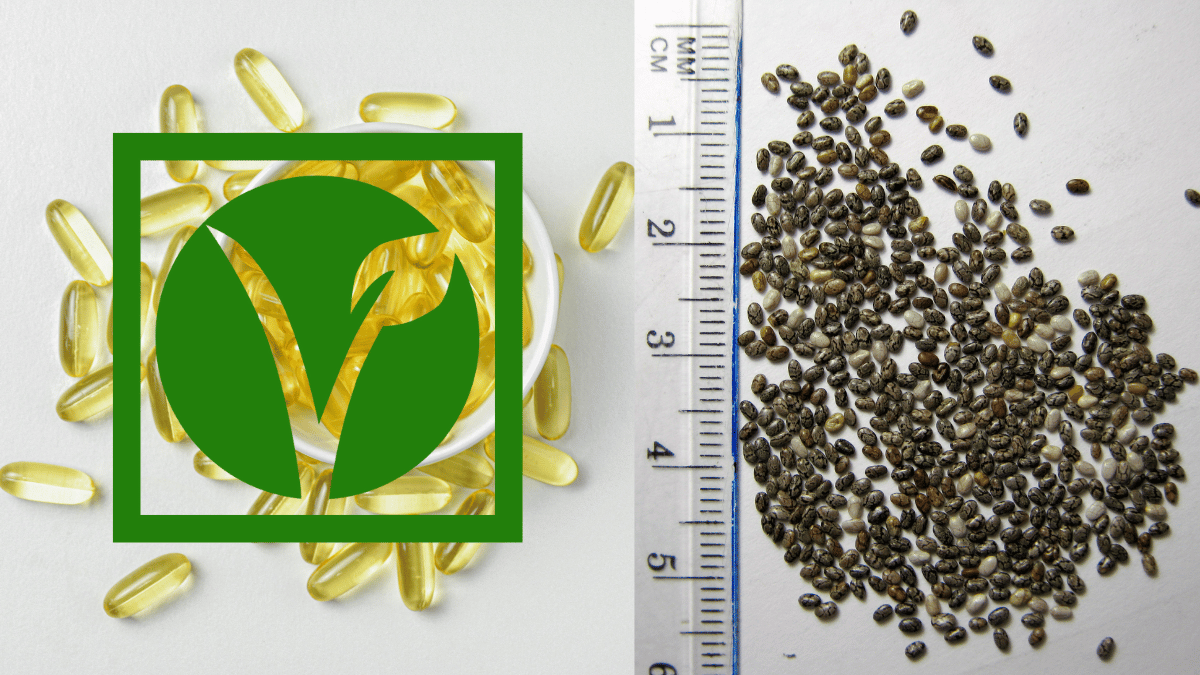
Somewhere in the swirl of supplements, energy drinks, and “biohacks,” there’s a simpler story—one that starts in your kitchen cabinet. Chia seeds, those speckled little dots you probably once used for novelty planters, are rich in alpha‑linolenic acid, or ALA. It’s a plant‑based form of Omega‑3, the same family of fats found in fish oil, but gentler on digestion and easy to fold right into daily life.
Inside your body, ALA acts like the raw material your cells use to build longer‑chain Omega‑3s—EPA and DHA. These are the same fats that make up nerve cell membranes, help your neurons “talk” effectively, and calm the low‑grade inflammation that can age your brain faster than time alone. So when you support ALA intake, you’re quietly strengthening the scaffolding of your cognition.
Scientists have found that consistent Omega‑3 consumption supports focus, memory, even overall mood stability as estrogen naturally declines through perimenopause and menopause. It’s not a miracle—it’s maintenance. Think of it like oiling the hinges instead of waiting for the door to squeak.
The Chia Dose That Actually Matters
Here’s the good news: you don’t have to upend your diet, swear off sugar, or chase capsule deals online. Just two tablespoons a day—roughly five grams of ALA—is enough to meaningfully support your long‑term brain health.
When soaked, chia forms a natural gel that slows digestion and keeps you fuller longer, but that texture also makes it easy to add anywhere. You can stir it into a small glass of juice before your morning scroll, blend it into a smoothie, or let it swell overnight into pudding. If you’re a yogurt person, just sprinkle and stir. The flavor’s subtle, nutty, and almost invisible among berries or oats.
If you’ve got a sensitive stomach, let the seeds sit in liquid for at least fifteen minutes first. That pre‑soak softens the shell so they digest easily—a trick I learned after one slightly crunchy mistake at my desk lunch.
The Hormone Connection Few Talk About
As estrogen dips in our 40s and 50s, its protective effect on the brain starts to fade. That’s one reason brain fog, forgetfulness, or mood shifts creep up even in healthy women. Omega‑3s are like your quiet backup crew here. They interact with cell membranes and neurotransmitters involved in serotonin, dopamine, and acetylcholine—all those messengers that influence memory and mood balance.
Getting more ALA through chia can help maintain that chemical stability. It doesn’t replace hormones, but it supports the terrain they once protected. For anyone adjusting to midlife’s natural rhythms, that stability is gold. You’re not fighting biology—you’re partnering with it.
A Ritual That Fits Real Life
You already know “slow and steady wins the race.” That’s the beauty of this habit—it slides into whatever version of busy you live. Whether you’re grabbing a Starbucks before work, packing lunches, or settling in for a Netflix night, you can stir, sip, or sprinkle your way to better brain health without overthinking it.
Some folks mix chia into morning lemon water and call it “hydration with purpose.” My Midwest mom? She stirs it into applesauce after dinner because it reminds her of dessert. However you take it, consistency matters more than timing. The calm clarity you’ll notice after a few weeks often sneaks up quietly—less afternoon fog, steadier energy, sharper recall of names and to‑dos.
What I love about this ritual is how unflashy it is. No pressure, no perfection—just a small daily choice that nudges the brain toward resilience. That’s what real wellness feels like: not endless adding or restricting, just the grace of giving your body what it recognizes.
If there’s one truth about aging well, it’s this: an ounce of prevention is gentler than a lifetime of repair. A jar of chia seeds on your counter can remind you of that, one spoon at a time.