
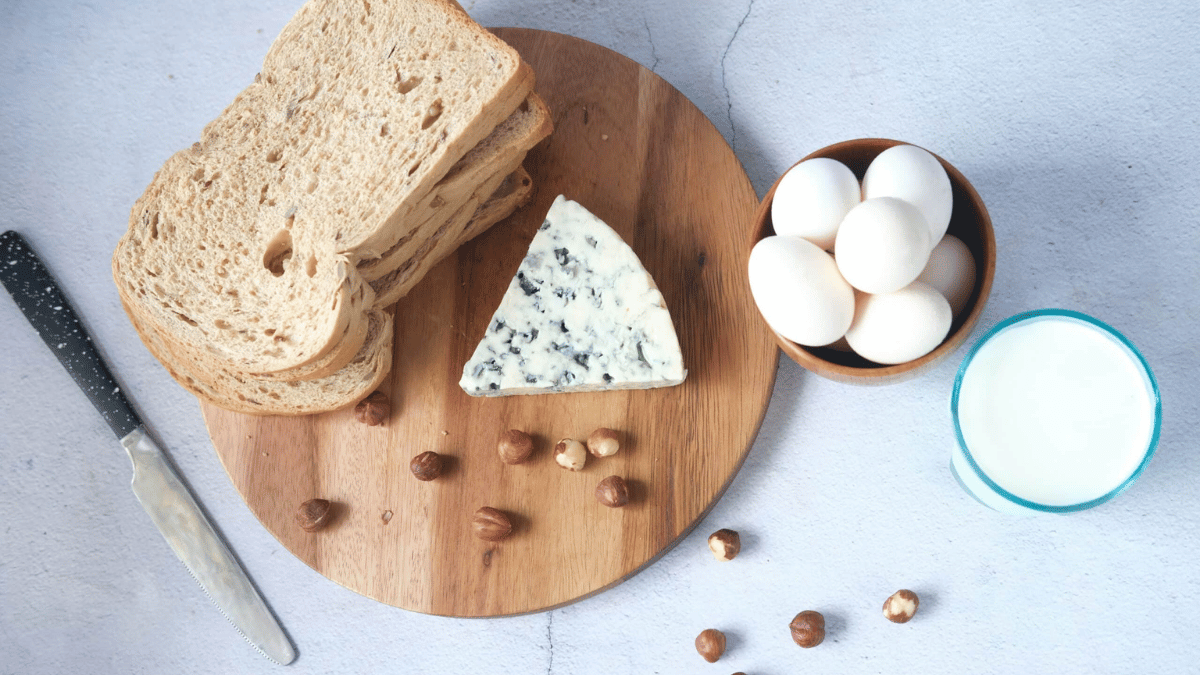
For years, I have been avoiding full-fat dairy and eggs in the morning. You know how it goes in a small town. When someone swears by cutting salt or skipping potatoes, everyone follows. But the truth is, life’s messy. It ain’t about food being just good or bad. Its about looking at some food myths that deserve a second look.
Maybe you’ve noticed that nutrition advice changes like the weather, leaving you unsure what’s really best to eat. For a long time, certain foods were handed a “bad” label—eggs, full-fat dairy, potatoes, coffee, even salt. But emerging science is inviting us to rethink these assumptions with a softer, wiser lens. It’s less about banning and more about balancing. Here’s what modern research tells us about these five everyday foods you might’ve been told to avoid, but don’t need to fear.
Why Eggs Are More Friend Than Foe
Eggs have gotten an unfair rap for decades, mostly for the cholesterol in their yolks. The story went: cholesterol in food equals high blood cholesterol, which leads to heart trouble. New studies, though, show that dietary cholesterol has a surprisingly small effect on blood cholesterol for most people. It’s saturated fat and trans fats found in processed meats that really push up the “bad” LDL cholesterol. Eggs, meanwhile, are nutritional powerhouses with protein to keep you full, choline to nurture your brain, and vitamin D for overall vitality. If you’re healthy, enjoying up to a dozen eggs a week is probably just fine. My Midwest mom swears by her Sunday morning omelets—guess she was onto something after all.
Full-Fat Dairy: The Saturated Fat Debate
Remember being told to ditch whole milk and cheese because of saturated fat? Turns out, dairy is a little more complex than that. The “food matrix” of dairy—the way fats, proteins, vitamins, and minerals work together—appears to moderate its impact on heart health. Studies suggest that full-fat dairy may actually help with feeling full and could even be linked to a lower risk of type 2 diabetes. It’s the kind of satisfying fat that keeps late afternoon cravings at bay. Of course, moderation is key—savoring a few servings of full-fat yogurt or cheese is a small — but enjoyable — piece of the puzzle.
Potatoes: Not Just a “White Carb”
Potatoes sometimes get a bad rap for causing blood sugar spikes. But there’s a trick many miss: when you cook potatoes and then let them cool before eating, their starches change. This “resistant starch” behaves more like fiber, supporting your gut and stabilizing blood sugar. Think potato salad, not fries. Also, pairing potatoes with healthy fats and proteins, like olive oil and grilled chicken, helps slow digestion and keep your energy steady. Avoid deep-fried versions, and keep that skin on—the nutrients are mostly hiding there.
Coffee: Fuel Without the Guilt
Coffee lovers, rejoice. Despite worries about dehydration and jitters, modest coffee drinking (3–4 cups a day) can be a gentle health companion. It’s loaded with antioxidants that fight oxidative stress and inflammation—factors tied to aging and chronic diseases. Plus, research links coffee to lower risks of type 2 diabetes, Parkinson’s, and even some cancers. My honest advice? If caffeine makes you edgy, listen to your body and maybe avoid that late-afternoon cup. But don’t stress over your morning brew—it’s got more benefits than you might have thought.
Salt: Use Wisely, Not Wildly
Salt often gets blamed for spiking blood pressure and causing heart issues. While too much sodium is a real concern—especially in processed foods—the salt you sprinkle on your home-cooked meals plays a very different role. The majority of sodium we consume comes from packaged snacks and restaurant dishes. Small amounts of good-quality salt can make fresh foods shine without risking your health. The key is moderation and focusing on whole ingredients rather than processed ones.
A New Way to Approach Food
The headline here isn’t to throw out the rules but to invite a kinder, evidence-based re-examination of what we eat. For busy lives filled with Target trips, school carpools, and couch time after a long day, it’s about calm balance—not food battles. Slow and steady wins the race when it comes to nourishment: enjoy your eggs, savor your cheese, treat potatoes as a versatile friend, sip your coffee mindfully, and season thoughtfully. An ounce of prevention, as they say, beats a pound of cure.
Maybe next time you reach for those “no-no” foods, it’ll feel more like a comforting nod to tradition and less like a guilty secret. Because wellness isn’t about perfection, it’s about connection—to our food, our bodies, and our lives.