
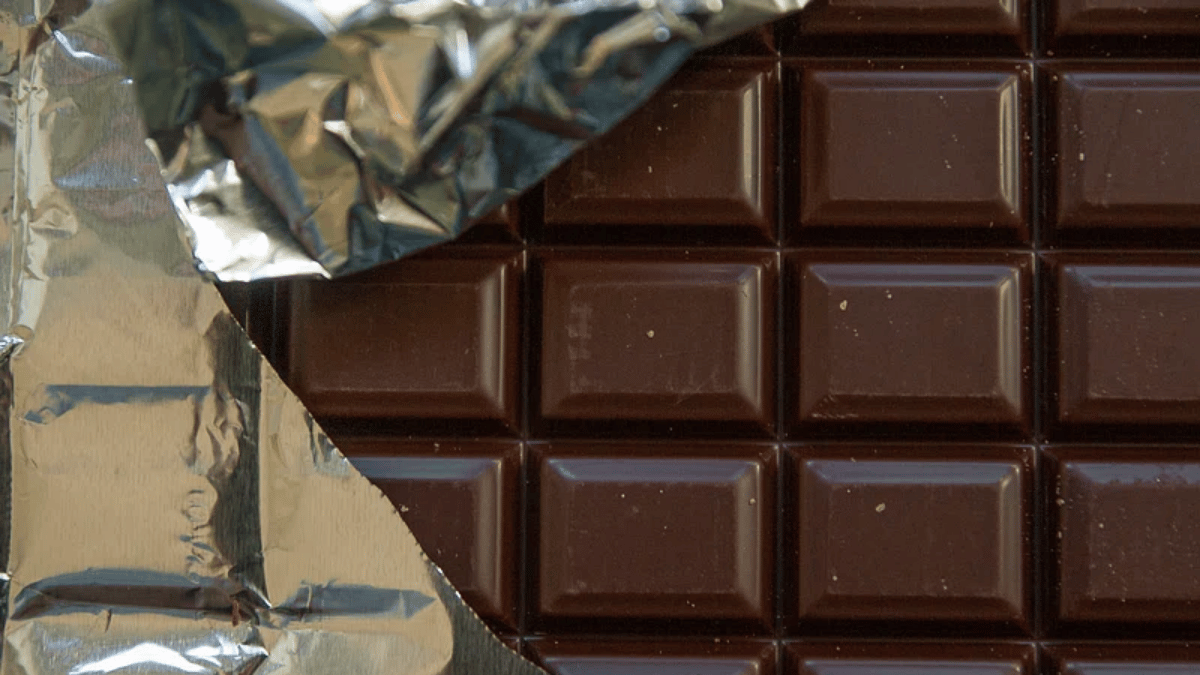
Life is sweeter with chocolate. A simple joy to be savoured. What they do now mention, however, that the other primary ingredient, sugar, is quite a killer. With every bite savoured, I also think about my blood sugar spiking. Interestingly, thats not always the case with chocolate. There’s a calmer, saner and a better way to enjoy that bite without fear.
Chocolate has taken a lot of heat over the years, especially in conversations about blood sugar and diabetes. Somewhere along the way, milk chocolate candy bars got lumped together with pure cacao, and that’s where things got messy.
Real cacao—the dark, slightly bitter kind that makes your mouth feel grounded rather than sugar-high—is loaded with compounds called flavonoids. These are plant-based antioxidants that have been linked to smoother blood flow, lower inflammation, and better insulin sensitivity. Translation: your body can use sugar more efficiently instead of sending your glucose levels on a roller coaster ride.
Most supermarket chocolate, though, is a different story. Once cacao is diluted with sugar, milk, and extra fats, the benefits shrink fast. You’re left with a candy that raises blood sugar quickly and leaves you crashing soon after. That’s the chocolate that gives the whole category a bad rep.
The 80% Rule That Changes Everything
If there’s one simple shift that makes all the difference, it’s this: go 80% or higher. That number on the chocolate bar label isn’t just marketing—it’s the percentage of pure cacao. The higher it is, the more antioxidants and the less sugar you’re actually eating.
I’ll be honest—when I first tried an 85% bar, it tasted like a bitter dare. But after a week, something changed. My cravings mellowed. I didn’t want to inhale half a bar anymore; one small square felt like enough. The polyphenols in cacao seem to influence our brain chemistry, nudging serotonin and dopamine in a way that quiets the automatic “more, more, more” response.
A small piece—around 10 to 20 grams, or one to two squares—is ideal. Enjoying it after dinner or with a cup of tea helps slow you down and keeps it from turning into a bedtime sugar rush.
Pair It Like a Nutritionist Would
Here’s where a little food science makes everyday sense. When you eat chocolate alone, any residual sugar hits your bloodstream faster. But pairing that same square with protein or fiber—say, a handful of almonds or a spoonful of Greek yogurt—changes the whole story.
Protein and healthy fats slow the digestive process. That means glucose from the chocolate is absorbed more gradually, so you stay steady instead of spiking and crashing. It’s like turning down the volume on your blood sugar.
My Midwest mom swears by her evening ritual: one square of dark chocolate with a small bowl of walnuts. She says it satisfies the craving and keeps her from raiding the pantry later. There’s logic behind that small-town wisdom—slow and steady really does win the race here.
Why This Isn’t Just About Food
There’s something quietly ritualistic about unwrapping a square of dark chocolate after a long day. Maybe it’s the pause between tasks, maybe it’s the way it melts just enough on your tongue, but it creates a small gap in the noise of life. That’s where balance starts—before you even swallow.
In today’s wellness circles, “balance” often feels like a buzzword, something you chase between green juices and endless scrolls. But sometimes, it’s literally in your hands. A piece of chocolate that’s mostly cacao, savored slowly, can serve as a simple cue to breathe, reset, and remember that not every indulgence is sabotage.
Chocolate isn’t the enemy—it’s just misunderstood. When you choose darker, smaller, and smarter, it becomes less of a guilty pleasure and more of a mindful one. The goal isn’t to trick your body; it’s to align with it.
So next time your 3 p.m. slump hits, skip the sugar bomb and break off one honest square of 80% dark chocolate. Pair it with a few nuts, take a breath, taste it fully. That tiny ritual might be more balancing than you think.
Because in the end, health isn’t about never having chocolate—it’s about learning how much peace can fit inside a small piece.