
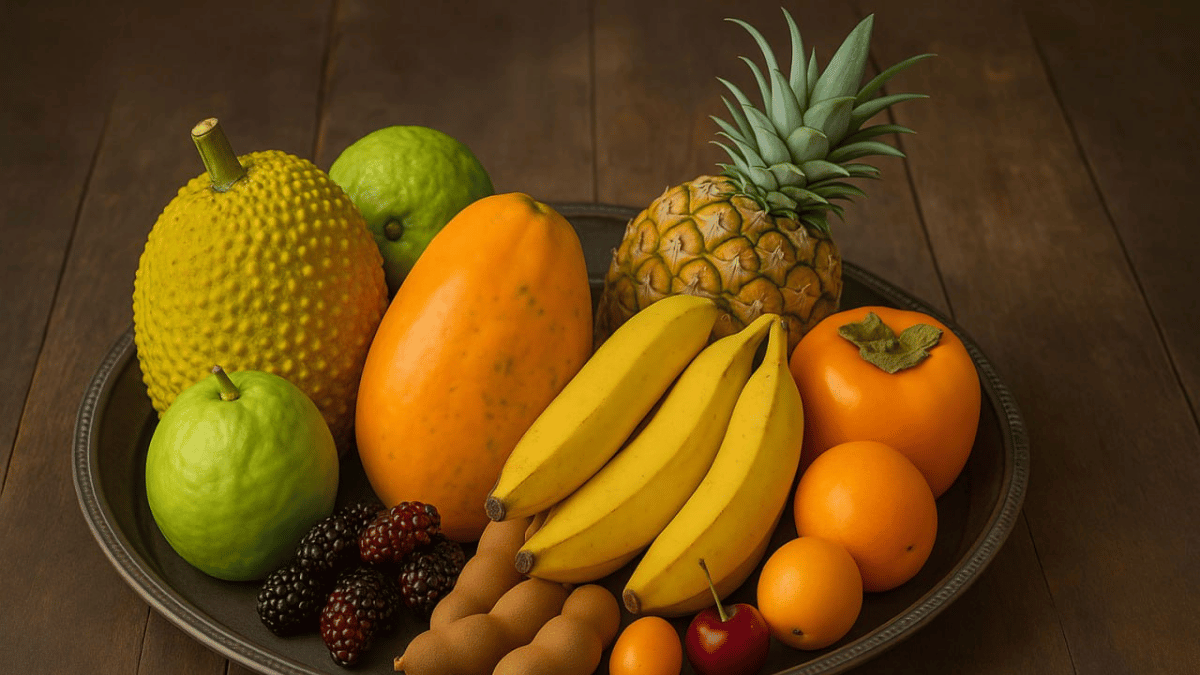
You know that feeling when you’re rushing out the door, grab a banana, and think, “Okay, at least I’m doing something good for my heart”? Same here. I honestly thought bananas were the go-to. But my doctor reminded me there are potassium rich foods that do an even better job at keeping blood pressure in check. So I started paying attention, and it actually helped.
We all know blood pressure matters. It’s one of those things that creeps up quietly, like a slow leak in a tire. You don’t notice it until something feels off—maybe you’re tired, maybe your doctor says something at your annual check-up. But here’s the thing: your plate can be your first line of defense. Potassium is a mineral that helps your blood vessels relax, and it’s way more powerful than most of us realize.
Bananas get all the credit, sure. But if you’re only reaching for bananas, you’re missing out on some real heavy hitters. Cardiologists actually recommend a mix of foods that pack more potassium per bite, and they’re easier to work into your daily routine than you might think.
Why Potassium Matters More Than You Think
Potassium is like the quiet partner to sodium. When sodium builds up, it can make your blood pressure rise. Potassium helps your body flush out that extra sodium, and it also helps your blood vessels stay relaxed. That’s a double win for your heart. Most Americans don’t get enough potassium, and that’s where the trouble starts. It’s not about banning salt—it’s about balance.
The Morning Connection
Think about your morning routine. Maybe you grab a banana, a bagel, or a coffee on the run. But what if you swapped in a few slices of avocado on toast? Avocado is loaded with potassium—about 690 mg per cup—and it’s also full of heart-healthy fats. It’s creamy, satisfying, and honestly, it makes breakfast feel a little more special. I’ll be honest—when I started adding avocado to my morning, I noticed I felt calmer, like my body wasn’t fighting against itself.
The Lunchtime Shift
Lunch is where you can really sneak in some potassium. Sweet potatoes are a great option—about 542 mg in a medium potato. Roast them, mash them, or air-fry them for a crispy side. They’re not just for Thanksgiving anymore. Spinach is another powerhouse, especially when cooked. One cup of cooked spinach has over 800 mg of potassium, plus iron and magnesium. Sauté it with a little garlic, toss it in a stir-fry, or blend it into a smoothie. It’s a quiet way to boost your day.
The Snack and Dinner Boost
Beans are a snack and dinner MVP. White beans, like cannellini or navy, give you about 500–600 mg per half cup. They’re also full of protein and fiber, so they keep you full longer. Add them to soups, stews, or mash them into a dip. Beets are another sneaky winner—about 518 mg per cup, and they’re full of nitrates that help your blood vessels relax even more. Roast them, juice them, or toss them into a salad. And don’t forget plain Greek yogurt. It’s not just for breakfast—about 300–400 mg per cup, plus protein and calcium. Pair it with berries for a snack that feels like a treat.
A Tiny Habit With Big Payoff
The goal is to get at least 3,500 to 4,700 mg of potassium each day. That sounds like a lot, but it’s doable if you mix in these foods throughout your meals. It’s not about perfection—slow and steady wins the race. If you’re dealing with kidney issues, check with your doctor first, but for most people, these foods are safe and effective.
The Real-Life Routine
I’ll admit, I used to think healthy eating meant giving up everything I loved. But it’s not about cutting out your favorite foods—it’s about adding in a few more that help your body work better. Swap a banana for avocado toast, add spinach to your smoothie, snack on beans, and roast some sweet potatoes. These small changes add up, and they fit into real life—Target runs, Starbucks drive-thrus, and all.
The Gentle Close
Taking care of your heart doesn’t have to be complicated. It’s about small, doable habits that fit into your day. Potassium is a quiet ally, and these foods make it easy to get enough. So next time you’re rushing out the door, remember: there’s more than one way to support your heart. And sometimes, the simplest changes make the biggest difference.