
I’ll be honest—I thought the whole “broccoli helps with diabetes” thing was just another trend. But after trying a few new ways to cook it, I actually get why people talk about it. Lately I’ve been letting it sit for 10 minutes before cooking, and my after-dinner blood sugar feels steadier—even on those chaotic nights when dinner is basically pizza before Netflix.
You might not expect your humble broccoli to be a powerhouse against blood sugar swings, but it turns out Harvard doctors and leading researchers have been quietly pointing to cruciferous veggies—especially broccoli—for their real-world impact on Type 2 diabetes. It’s not just about fiber or vitamins, though those help. The real secret is in a compound called sulforaphane, which forms when broccoli is chopped and sits for a bit before cooking. This is where most people miss out. Just tossing broccoli into a boiling pot destroys much of what makes it special.
The Science of Steady Sugar
Sulforaphane works by improving your body’s sensitivity to insulin, the hormone that helps sugar move out of your blood and into your cells. For people facing insulin resistance—which is at the heart of Type 2 diabetes—this is a big deal. Studies show that sulforaphane can help lower fasting blood sugar, reduce inflammation, and even lower the liver’s production of glucose. It’s like a natural defense system, quietly doing its job in the background.
The Morning Connection
I’ll be honest—when I moved my broccoli to the lunch plate instead of dinner, I noticed a difference. Mornings are less of a sugar rollercoaster, and I feel more focused. It’s not a miracle, but it’s a gentle nudge in the right direction. My Midwest mom always said, “An ounce of prevention is worth a pound of cure,” and honestly, this feels like a solid ounce.
A Tiny Habit With Big Payoff
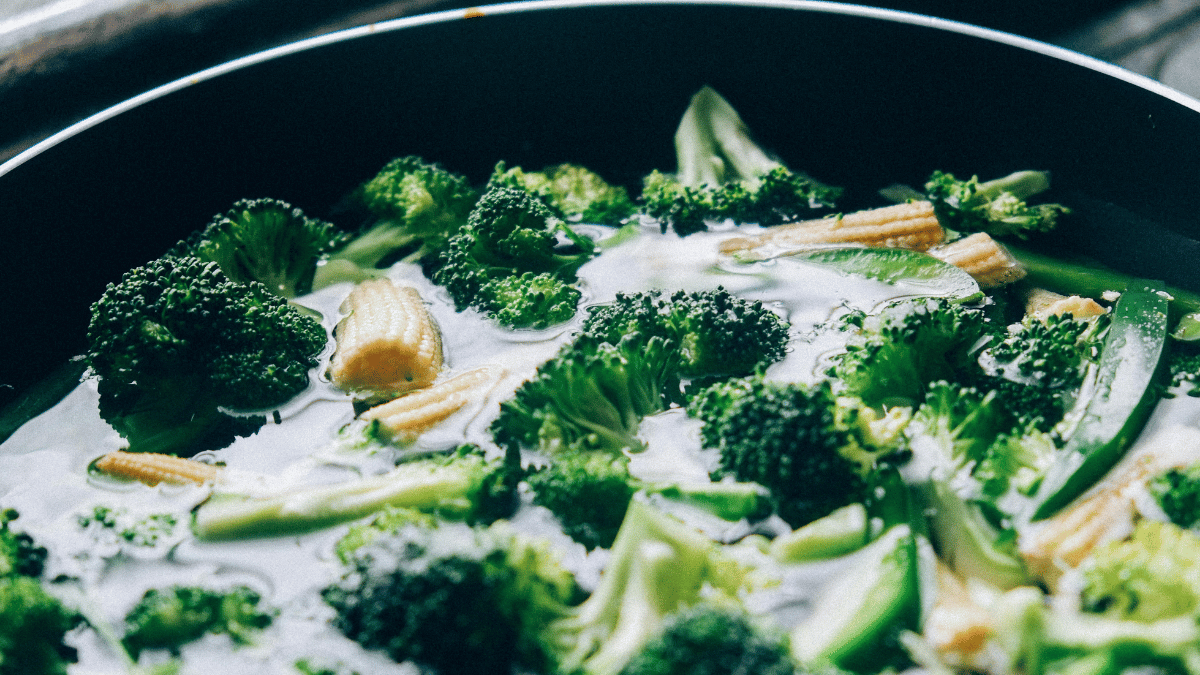
Making broccoli count is about timing and technique. Chop your florets, let them sit for 5–10 minutes, then cook them gently—steaming for 3–5 minutes is best. Light sautéing works too. Avoid boiling or high-heat roasting if you want to keep most of the sulforaphane. If you don’t remember to chop and wait, a sprinkle of mustard seed powder or a dollop of mustard can kick-start the sulforaphane again, even after cooking.
The Bigger Picture
Broccoli is just one part of a healthy pattern. It’s not about eating piles of it, but about weaving it naturally into your day. Think of it like slow and steady wins the race. Try it a few times a week, and see how it fits your routine—whether it’s a side at dinner, part of a workday lunch, or a quick stir-fry on a busy night. It’s not a magic bullet, but it’s a small, doable step that actually makes a difference.
Wrap-Up With a Gentle Nudge
If you’ve been overlooking broccoli, maybe it’s time to try it in a new way. Slow and steady, one small change at a time, is what sticks. After all, it’s not about being perfect, but about making steady progress. And sometimes, the quietest habits are the ones that make the biggest difference.