
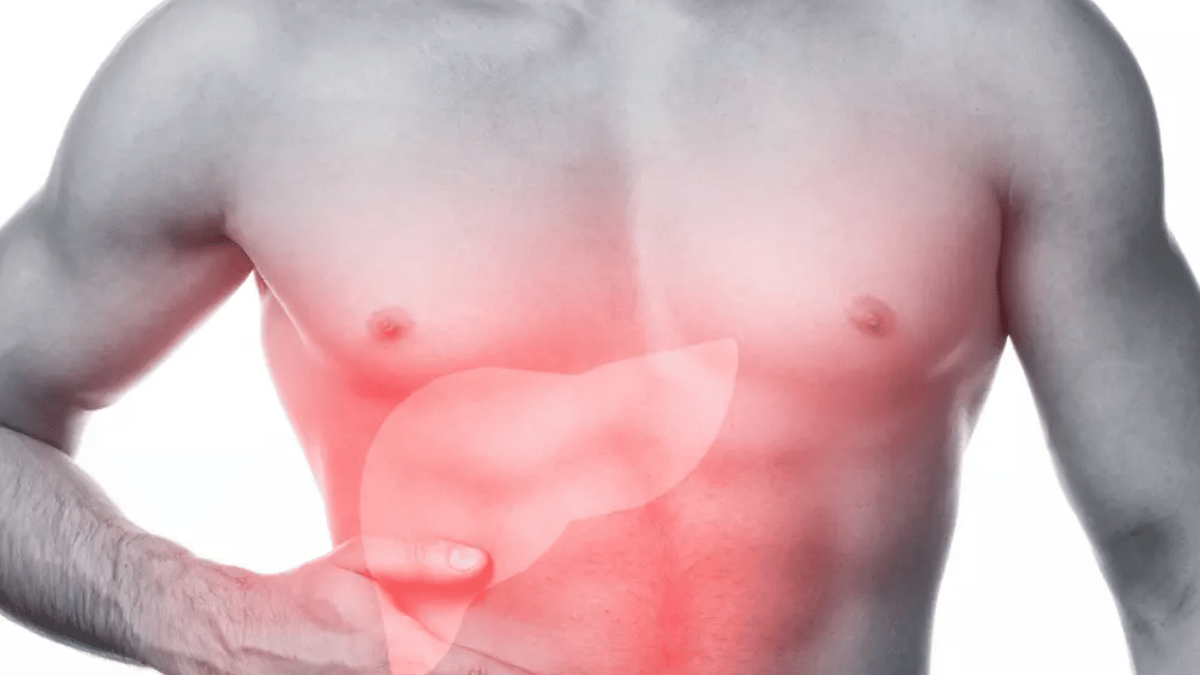
Sometimes, your body gives you little hints on big things. Things that could go really wrong. Its like your skin getting dry before winter, or dark patches on your neck. My cousin noticed these patches and thought it was an allergen from her new detergent. Turns out, it was something way more important.
If you’ve ever stood in front of the mirror and noticed something new—maybe a patch of skin that’s darker, or a weird itch that just won’t quit—you might not think much of it. But your skin is more than just a cover; it’s a window into what’s going on inside. And sometimes, it’s quietly waving a flag about your liver.
Fatty liver disease is sneaky. It doesn’t always come with obvious symptoms like pain or fatigue. Instead, it often creeps up slowly, like a slow leak in the basement you don’t notice until the floorboards start to warp. But your skin? It’s often the first to sound the alarm.
Why Your Skin Talks About Your Liver
Your liver is like the body’s main filter and factory. It cleans out toxins, helps balance hormones, and keeps your metabolism humming. When it gets overloaded with fat—especially from processed foods, sugar, or too much sitting around—it starts to struggle. And that struggle can show up on your skin in a few surprising ways.
Dermatologists see these patterns all the time. They’re not just random quirks; they’re clues that your liver might be under stress. The good news? Catching these early means you can actually do something about it before things get serious.
The 3 Skin Signs to Watch For
Dark, Velvety Patches (Acanthosis Nigricans)
If you notice thick, dark patches—especially on your neck, armpits, or groin—it’s not just a skin thing. These patches are often linked to insulin resistance, which is a big player in fatty liver disease. When your body stops responding to insulin the way it should, your skin cells can go into overdrive, creating those velvety patches. It’s like your body’s way of saying, “Hey, something’s off with your metabolism.”
Persistent Itchiness (Pruritus)
Have you ever had that itch that just won’t go away, even after you’ve tried every lotion and cream? If it’s not from a rash or bug bite, it could be your liver. When your liver is struggling, it can’t process bile salts as well, and those salts build up under your skin, irritating your nerves. It’s a weird feeling—like your skin is buzzing, especially at night or after a warm shower.
Spider Veins or Red Palms (Spider Angiomas and Palmar Erythema)
Tiny red spots that look like spiders, or palms that are suddenly bright red? These are signs that your liver isn’t clearing hormones like estrogen as efficiently as it should. When estrogen builds up, it can make small blood vessels widen, showing up as spider veins or red palms. While these are more common in advanced liver disease, even subtle changes can be early warnings.
What to Do If You Notice These Signs
If you see any of these changes—especially if you’re also dealing with weight gain, fatigue, or blood sugar issues—it’s worth talking to your doctor. These skin clues don’t always mean you have fatty liver, but they’re a good reason to get checked. An ounce of prevention is worth a pound of cure, right?
And here’s the thing: catching fatty liver early means you can actually turn things around. Simple changes—like swapping out sugary drinks for water, adding more veggies to your plate, and moving your body a little more—can make a real difference. Slow and steady wins the race.
A Tiny Habit With Big Payoff
I’ll be honest—when I started paying attention to my skin and making small tweaks to my routine, I felt more in tune with my body. It’s not about being perfect. It’s about listening to those little signals and making gentle changes. Whether it’s a Target run for healthier snacks or a quick walk after dinner, every bit helps.
Your skin is always talking. Sometimes it’s just a dry patch or a new freckle. But sometimes, it’s telling you something deeper. If you notice any of these changes, don’t bite the bullet and ignore them. Talk to your doctor, make a few small shifts, and give your liver the care it deserves.
At the end of the day, wellness isn’t about big overhauls. It’s about paying attention, making small choices, and trusting your body’s quiet wisdom.