
You know that feeling, when you wake up and just want to crawl back under the covers? To me, this happens especially when I binge watc Netflix at night. I used to think this is normal, until my friend in Iowa told me about a ‘second brain’ – which needs to be taken care of.
There’s a quiet revolution happening in the world of wellness, and it’s not about the latest juice cleanse or fancy supplement. It’s about something much more down-to-earth: the foods we eat every day. Turns out, your gut—sometimes called your “second brain”—plays a starring role in how you feel, not just physically, but emotionally. When I first heard that over 90% of your body’s serotonin is made in your gut, I was floored. That’s right—your mood isn’t just in your head. It’s also in your belly.
Why This Combo Works
The gut-brain axis is like a two-way superhighway, constantly sending signals between your stomach and your mind. Millions of nerve cells line your gut, and they’re in constant conversation with your brain. When your gut is happy, your brain tends to be, too. But when your gut is out of whack—maybe from stress, poor sleep, or a diet heavy in processed foods—your mood can take a nosedive. That’s where probiotics come in. These friendly bacteria don’t just help with digestion; they actually help your body produce mood-boosting chemicals like serotonin.
The Morning Connection
I’ll be honest—when I started swapping my sugary breakfast for plain yogurt with live cultures, I noticed a difference. It wasn’t a miracle, but over time, I felt calmer, more focused. Yogurt and kefir are packed with probiotics like Lactobacillus and Bifidobacterium, which studies show can help reduce anxiety and depression. The trick? Go for plain, unsweetened versions. The sugar in flavored yogurts can actually feed the wrong kind of bacteria, undoing all your good work.
A Tiny Habit With Big Payoff
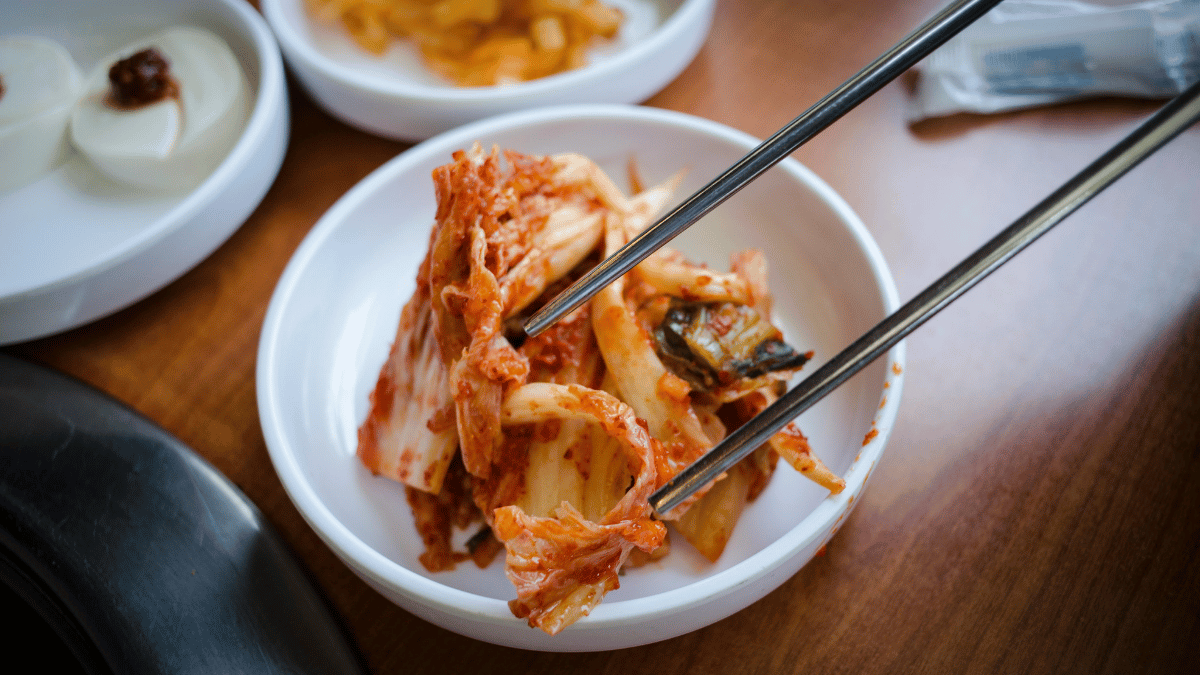
Fermented veggies like kimchi and sauerkraut are another easy win. These aren’t just trendy foods for celery-juice fans or ice-bath bros—they’re real, old-school ways to feed your gut. The fiber in these foods gives your good bacteria something to munch on, and the fermentation process creates a whole army of beneficial compounds. Just make sure to grab the unpasteurized kind from the refrigerated section. Pasteurization kills the good stuff.
Miso, the Japanese fermented soybean paste, is another powerhouse. Stir a spoonful into soups or dressings, but don’t boil it—heat can destroy the live cultures. Miso brings not just flavor, but amino acids and enzymes that help your body digest and absorb nutrients better.
The Slow and Steady Approach
You don’t need to overhaul your whole diet overnight. Start small—add a spoonful of yogurt to your breakfast, swap your usual side for a serving of kimchi, or try a miso soup for lunch. Slow and steady wins the race, and your gut will thank you. Over time, you might notice that you’re not just digesting better, but feeling better, too.
A Gentle Reminder
Of course, food isn’t a magic cure-all. If you’re struggling with persistent mood issues, it’s always smart to talk to a doctor. But for most of us, a few simple tweaks to what we eat can make a real difference. Think of it as a gentle nudge for your body’s natural wisdom. Sometimes, the most profound changes start with something as simple as a bowl of yogurt or a spoonful of sauerkraut.
So next time you’re feeling a little off, take a look at your plate. Maybe the answer isn’t in a pill, but in the foods you already love. After all, a little care for your gut can go a long way toward a brighter, calmer day.